

TAX STAMP ELIMINATION - A Game-Changer for Suppressors & SBRS
6th Jan 2026
Elimination: A Game-Changer for Suppressors and SBRs
As we kick off 2026, the firearms community is buzzing about a significant update to the National Firearms Act (NFA) regulations. Effective January 1, 2026, the longstanding $200 federal tax stamp requirement for certain NFA items—like suppressors (aka: silencers) and short-barreled rifles (SBRs)—has been eliminated.
This change marks a pivotal shift in how gun owners can access these items, making the process more affordable while still maintaining key oversight from the Bureau of Alcohol, Tobacco, Firearms and Explosives (ATF). At APFarmory, we're committed to keeping our readers informed, so let's break this down step by step: from the historical context to the practical implications for you as a responsible firearm enthusiast.A Quick History of the NFA and the Tax StampTo appreciate this new development, it's helpful to understand where it came from. The National Firearms Act was enacted in 1934 as a response to the gangster era, aiming to regulate certain firearms and accessories deemed particularly dangerous at the time. Under the NFA, items like suppressors, SBRs (rifles with barrels shorter than 16 inches or overall lengths under 26 inches), short-barreled shotguns (SBSs), and any other weapons (AOWs) require special registration with the ATF.For decades, acquiring these items involved submitting an ATF Form 4 (for transfers) or Form 1 (for making your own), undergoing a thorough background check, and paying a $200 tax stamp per item.
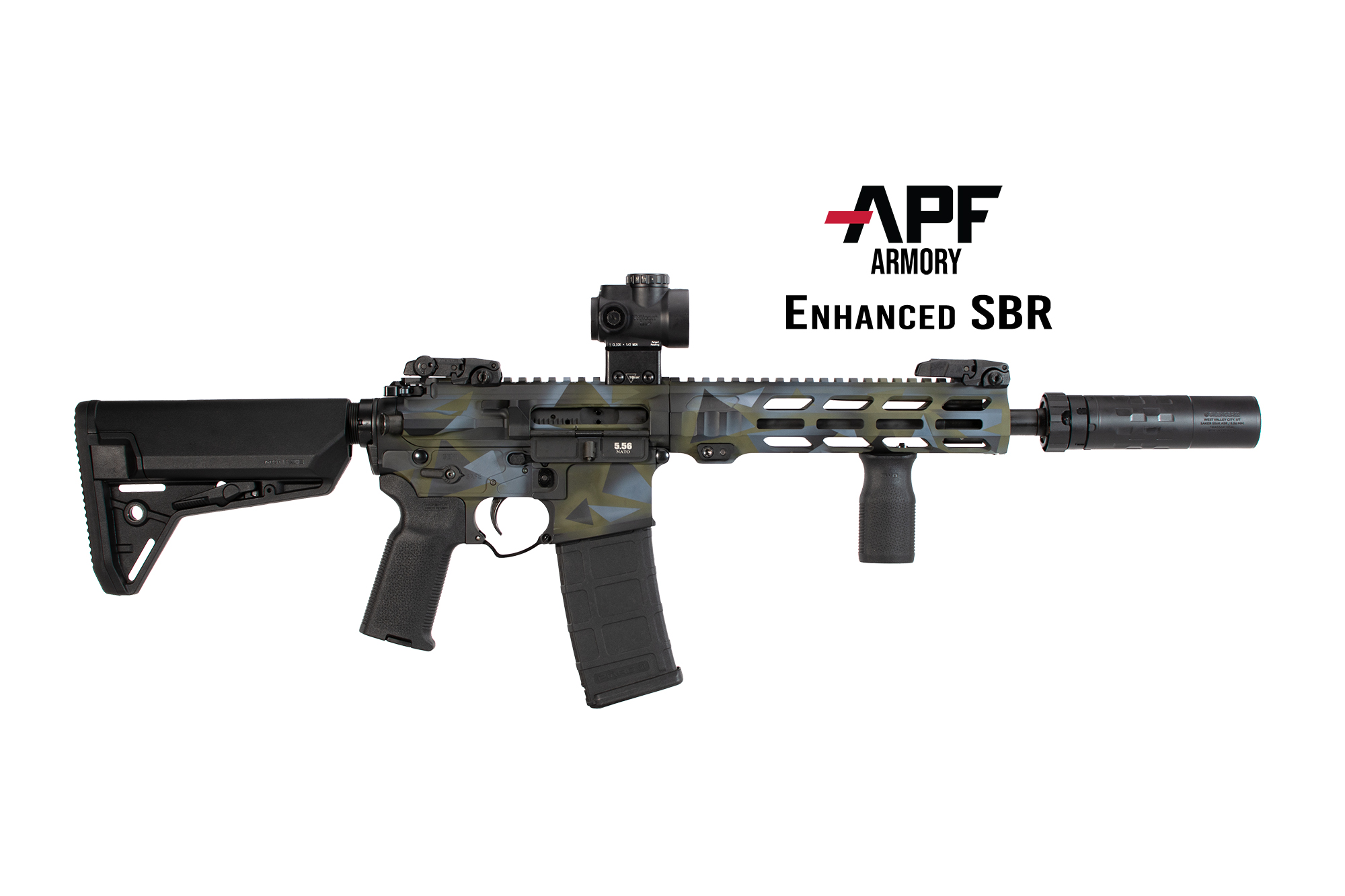
This fee, unchanged since 1934, acted as both a revenue source and a barrier to entry. Adjusted for inflation, that $200 from back then would equate to over $4,500 today, but it remained fixed, often deterring casual buyers due to the added cost on top of the item's price and wait times (which could stretch from months to over a year).Suppressors, in particular, have long been misunderstood. Far from the "silencers" portrayed in movies, they reduce noise to protect hearing and minimize disturbance, making them popular for hunting and range use. SBRs offer compactness for home defense or tactical applications. Despite their utility, the tax stamp added bureaucracy and expense, limiting widespread adoption.What Exactly Changed in 2026?The big news: As of January 1, 2026, the $200 tax stamp has been reduced to $0 for suppressors, SBRs, SBSs, and AOWs.
This elimination stems from recent legislative reforms and court rulings emphasizing Second Amendment protections, culminating in updates to NFA guidelines. While the exact catalyst involved a mix of advocacy from groups like the NRA and ASA (American Suppressor Association), along with broader deregulation efforts, the result is clear: no more fee for these transfers or registrations.Important caveats:
This highlights the pent-up interest in these items now that the financial hurdle is gone.Implications for Gun Owners and the IndustryThis change isn't just about saving $200—it's about accessibility, safety, and the evolution of firearm culture. Here's what it means in practical terms:
Education remains key to responsible ownership.How to Navigate the New Landscape.
If you're ready to dive in:
-Team APF
-
-
-
-
-
-
-
-
-
-
-
-
- The ATF process remains intact. You'll still need to submit Form 1 or Form 4, provide fingerprints, photos, and pass an enhanced background check. Approval isn't guaranteed and can take time—though eForms have sped things up in recent years.
-
-
-
-
-
-
-
-
-
-
-
- This applies to most NFA items, but not all. Machine guns and destructive devices still carry the $200 tax (and are heavily restricted anyway).
- State laws matter. Even with federal changes, some states prohibit or restrict suppressors and SBRs outright. Always check your local regulations— for example, suppressors are illegal in California, Illinois, and a handful of others.
- No retroactive refunds. If you paid the tax before 2026, it's not coming back, but future transfers (like selling your suppressor) will also be tax-free.
- Cost Savings and Increased Adoption: Without the tax, suppressors (which can cost $300–$1,500) and SBRs become more budget-friendly. Expect a boom in ownership, especially among hunters who value hearing protection and recreational shooters seeking customizable setups.
- Hearing Health Benefits: Suppressors reduce gunshot noise by 20–35 decibels, making shooting safer without ear protection in some scenarios (though we always recommend it). This could lead to fewer hearing-related issues in the shooting community, aligning with public health goals.
- Industry Growth: Manufacturers like SilencerCo and retailers are gearing up for higher volumes. This might drive innovation, with more affordable models hitting the market. However, supply chains could face strains initially, so plan ahead if you're in the market.
- Legal and Compliance Considerations: While the tax is gone, NFA items remain regulated. Unauthorized possession is a felony, so proper paperwork is crucial. Also, traveling across state lines with these items requires ATF notification. For FFL dealers, tools like compliance software will be key to handling the influx without errors.
- Broader Second Amendment Impact: This reform reflects ongoing debates post-Bruen (the 2022 Supreme Court case), pushing for less restrictive gun laws. It could pave the way for further changes, like removing suppressors from the NFA entirely, but that's speculative for now.
If you're ready to dive in:
- Start with Research: Use the ATF's website for forms and guidelines (once it's back up!).
- Visit a Dealer: Dealers who possess an SOT (Special Occupational Taxpayer, a federal registration for Federal Firearms License (FFL) holders who deal in items regulated by the National Firearms Act (NFA), like silencers, machine guns, and short-barreled rifles (SBRs), can guide you through the process, from selecting the right suppressor to filing paperwork.
- Stay Informed: Follow updates from reliable sources, as regulations can evolve.
-Team APF